
Introduction: A Timeless Duel of Wits and Chance
Few games in the world of gambling command as much respect and fascination as blackjack. It’s a game where simplicity meets depth—a contest not merely of luck, but of logic, psychology, and sharp decision-making. Often referred to as “21”, blackjack has graced the tables of luxurious casinos, smoky backrooms, and now, virtual platforms, offering players an enduring test of nerve and skill.
From its European origins to its polished modern presence in Las Vegas and beyond, blackjack has earned a unique place in gaming history. It is one of the few casino games where a savvy player can shift the odds, making it as intellectually rewarding as it is thrilling.
A Brief History: From French Salons to Vegas Lights
Blackjack traces its lineage back to 17th-century France, where a game known as “Vingt-et-Un” (French for twenty-one) was played among aristocrats. Spanish and Italian versions of the game also emerged during the same period, each with slightly different rules but the same foundational goal—reach a hand value of 21 without going over.
When French colonists brought the game to America, it evolved. Casinos introduced promotional payoffs, including a bonus for a hand consisting of an ace of spades and a black jack (either club or spade), which birthed the modern name—Blackjack.
The Basics: Understanding the Rules
At its core, blackjack is a contest between player and dealer. The objective is simple: achieve a hand total as close to 21 as possible without exceeding it.
Key rules of blackjack include:
-
Number cards count as their face value.
-
Face cards (King, Queen, Jack) are worth 10.
-
Aces can be worth 1 or 11, depending on what benefits the hand.
-
Players can hit (take another card) or stand (hold their current hand).
-
Options like double down, split, or surrender provide additional tactical layers.
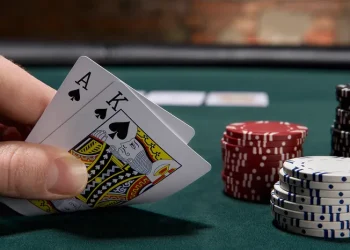
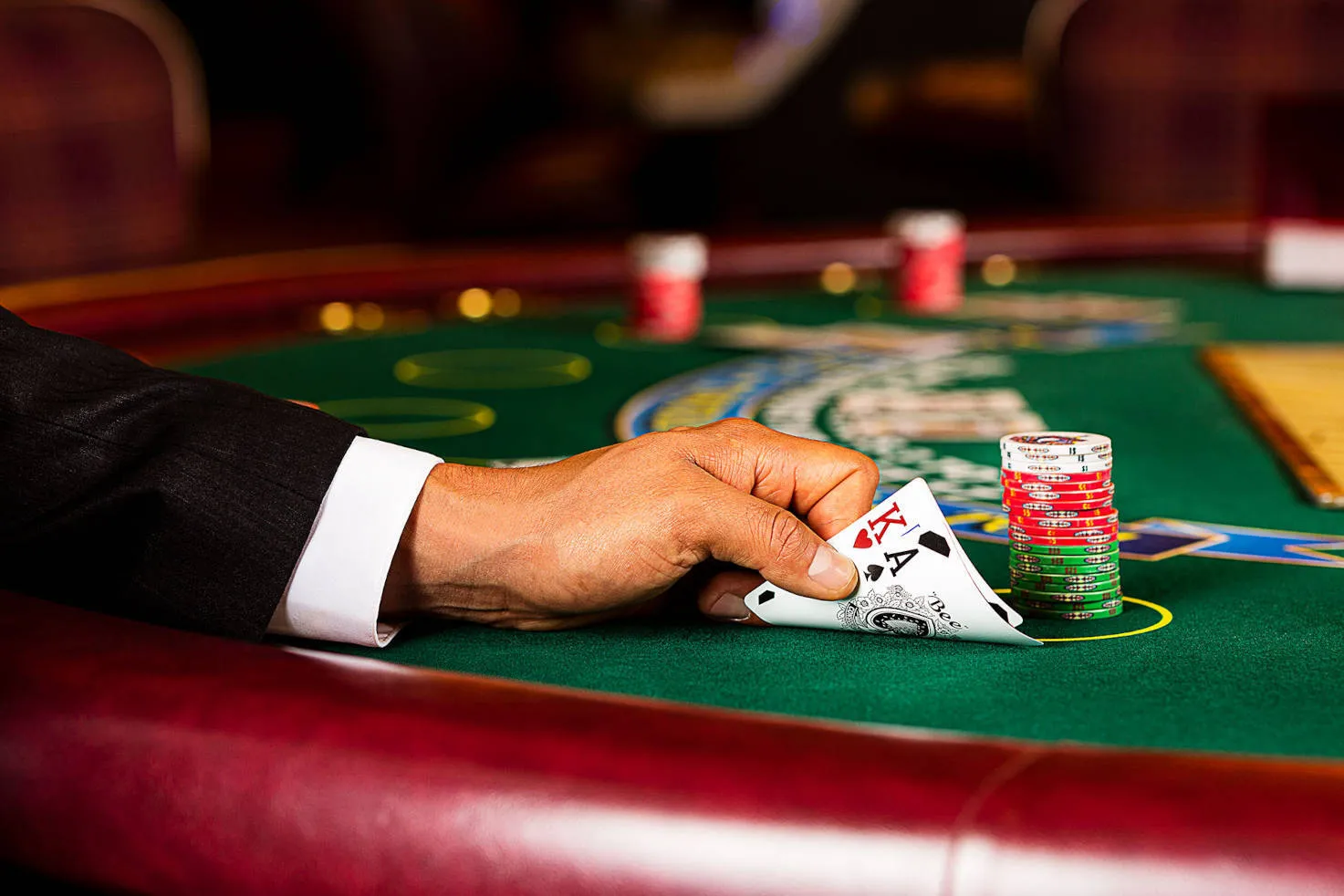
A hand of an Ace and a 10-value card is called a “natural blackjack” and typically results in an immediate win—unless the dealer matches it.
The Psychology of Play: Strategy Over Superstition
Unlike many games of chance, blackjack offers a statistically proven path to better outcomes: basic strategy. Developed through computer simulations and probability models, basic strategy outlines the optimal action (hit, stand, double, or split) for every possible hand scenario.
Why psychology matters:
-
Discipline over impulse: Blackjack rewards players who can suppress emotion and stick to mathematically sound decisions.
-
Dealer behavior: Understanding how dealers must play (usually hitting until they reach 17) can guide strategic choices.
-
Card counting: Though controversial and often banned in casinos, card counting exemplifies blackjack’s psychological and analytical depth.
Mastering blackjack requires a mix of logic, intuition, and emotional control—qualities that distinguish great players from impulsive gamblers.
Variations and Innovations: Beyond the Standard Game
While classic blackjack remains the most popular form, several variants and house-rule tweaks have emerged, especially in online and international markets.
Popular variations include:
-
European Blackjack: No hole card is dealt to the dealer until players have completed their hands.
-
Spanish 21: Played without tens in the deck, offering higher payouts and flexible rules.
-
Pontoon: A British cousin of blackjack with different terminology and rules.
-
Live Dealer Blackjack: Online platforms with real-time dealers streamed to your device, combining digital convenience with casino ambiance.
These adaptations preserve the core thrill while refreshing gameplay, appealing to both purists and curious newcomers.
The Allure of the Casino: Blackjack as a Social Experience
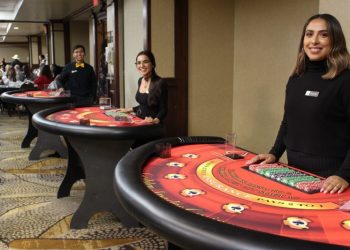
Unlike slot machines or isolated gaming options, blackjack tables foster a shared experience. There’s tension in the air as the dealer reveals their cards, camaraderie among players who celebrate or groan together, and an underlying elegance to the rituals of betting, hitting, and standing.
Key elements of blackjack’s social appeal:
-
Interpersonal interaction: In live games, table etiquette and banter enhance enjoyment.
-
Short rounds: Games progress quickly, keeping players engaged without long downtimes.
-
Skill visibility: Well-informed players can visibly outperform novices, lending an air of respect to mastery.
In a world increasingly defined by screens and solitude, the communal energy of a blackjack table remains refreshingly human.
Blackjack in Pop Culture and Cinema
Few casino games have captured the imagination of filmmakers and writers like blackjack. From the MIT students in 21 using math to outwit Vegas, to James Bond stylishly outmaneuvering foes in License to Kill, blackjack is often depicted as the thinking man’s game—a refined dance of risk and reward.
Its cinematic portrayal reinforces the idea that success in blackjack requires not only luck, but intelligence, cool-headedness, and nerve.
The Online Era: A Digital Renaissance
As online gambling platforms proliferate, blackjack has found fertile ground. Whether through mobile apps or web-based casinos, players can now enjoy blackjack anytime, anywhere.
Online blackjack advantages:
-
Accessibility: No travel required; games run 24/7.
-
Table variety: Players can choose stakes, rules, and dealers that suit their style.
-
Learning tools: Simulators and tutorials allow beginners to practice without pressure.
-
Privacy: Nervous or introverted players can hone their skills in a judgment-free space.
Live dealer formats, in particular, blend technology with tradition, delivering an immersive and authentic experience without ever leaving home.
Responsible Gaming: Know the Odds, Master Your Mind
Blackjack’s strategic potential should not obscure the fact that it is, at its core, a gambling game. While informed play can reduce the house edge to under 1%, the house still maintains a long-term advantage.
Tips for responsible play:
-
Set a budget and never exceed it.
-
Don’t chase losses—blackjack rewards logic, not desperation.
-
Avoid emotional decisions; stick to your strategy.
-
Take breaks, especially during losing streaks.
Understanding the boundaries between entertainment and addiction is crucial for maintaining a healthy relationship with any form of gambling.
Conclusion: Blackjack—The Thinking Gambler’s Choice
In a casino filled with flashing lights and noisy distractions, blackjack offers a sanctuary of focus and strategy. It is a game where intelligence matters, where choices impact outcomes, and where the player isn’t simply at the mercy of blind chance.
Timeless yet adaptable, elegant yet thrilling, blackjack continues to captivate generation after generation. Whether played in Monte Carlo, on the Las Vegas Strip, or via a smartphone app on a rainy evening, blackjack remains a symbol of refined risk and strategic mastery.
Ultimately, blackjack isn’t just a game—it’s a conversation between probability, psychology, and personality. And in that conversation, every hand tells a story