
Introduction: More Than Just a Game
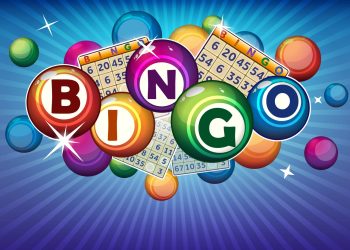
Bingo. For many, the word conjures images of community halls, hushed anticipation, and jubilant cries of victory. Yet, beyond the surface, bingo is a multifaceted game steeped in tradition, psychology, and social significance. From its humble beginnings in Italy to its modern digital reinvention, bingo has continually evolved—embracing generations, cultures, and technologies.
The Origins of Bingo: A Game Born of Chance and Culture
The roots of bingo can be traced back to 16th-century Italy, where a national lottery known as “Il Gioco del Lotto d’Italia” was popular. By the late 1700s, the game had traveled to France, where aristocrats enjoyed a version known as “Le Lotto.” Eventually, the game crossed the Atlantic and underwent its most dramatic transformation in early 20th-century America, evolving into the familiar format we recognize today.
It was a New York toy salesman named Edwin S. Lowe who popularized the term “bingo.” Legend has it that a player accidentally shouted “bingo” instead of “beano,” the original term, during a game. The name stuck—and so did the game.
The Mechanics of Magic: How Bingo Works
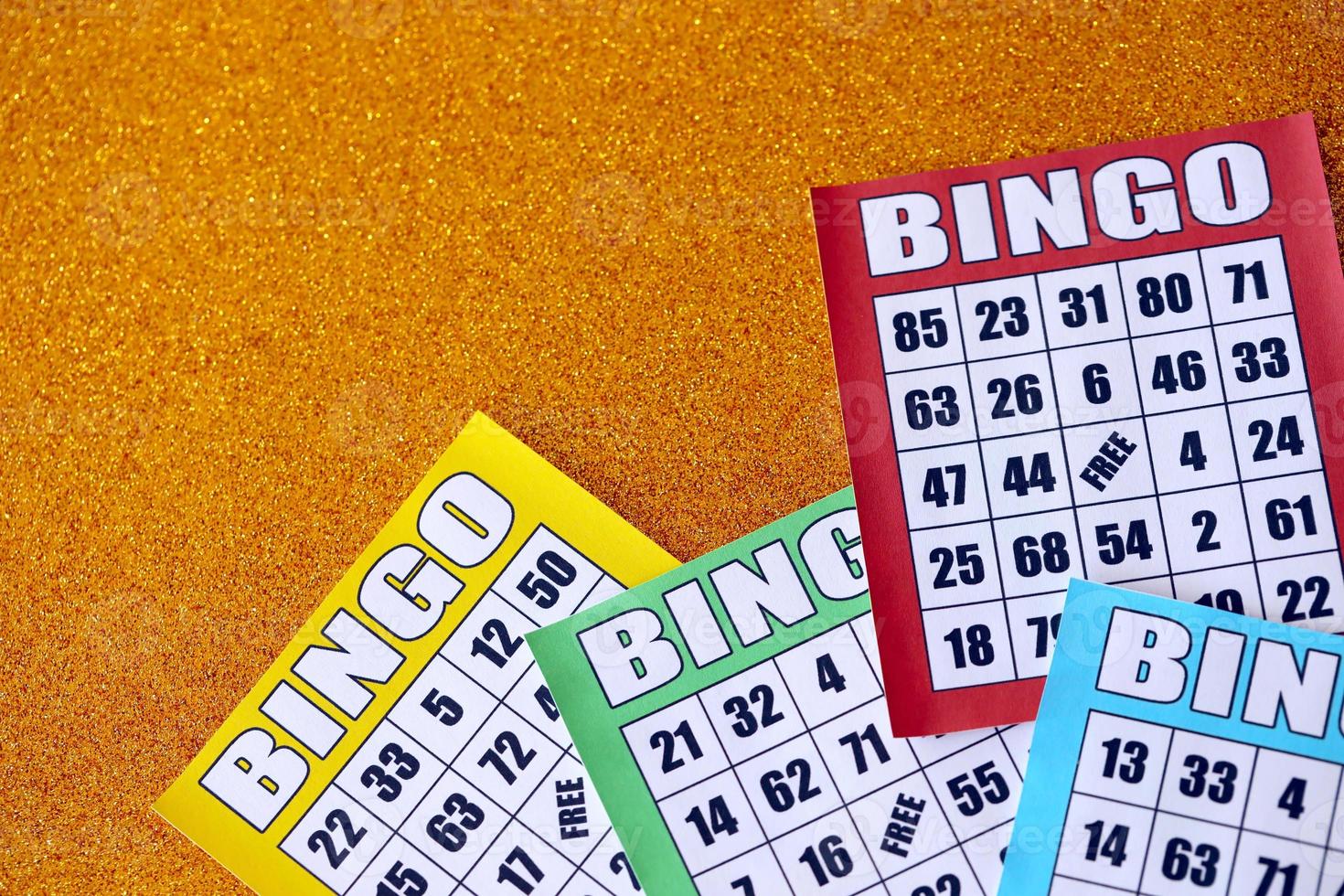
At its core, bingo is a game of chance. Players are each given a card with a 5×5 grid, with each square containing a number (except the center space, which is typically free). Numbers are randomly drawn and announced, and players mark them off on their cards. The first to complete a predetermined pattern—often a straight line—wins.
Variations of bingo include:
-
75-Ball Bingo: Popular in the United States; uses a 5×5 grid.
-
90-Ball Bingo: Common in the UK and Australia; cards have 3 rows and 9 columns.
-
80-Ball Bingo: A newer hybrid format, often played online.
Each variation brings its own rhythm, adding nuance to an otherwise simple concept.
A Social Affair: Community and Connection
What sets bingo apart from many other games of chance is its deeply social nature. Unlike solitary gambling or high-stakes poker, bingo thrives on communal energy. In traditional settings like churches, senior centers, and community halls, bingo fosters a unique sense of togetherness.
Key social benefits of bingo:
-
Intergenerational Bonding: Grandparents play alongside grandchildren.
-
Mental Engagement: Helps older adults stay mentally alert.
-
Stress Relief: Laughter, light-hearted competition, and camaraderie lower stress.
The game is, in many ways, an icebreaker and bonding tool, making it as much about the people as the numbers.
The Digital Revival: Online Bingo and Its Rise
With the advent of the internet, bingo found new life in the digital realm. Online bingo platforms now attract millions of players worldwide, many of whom are younger than the traditional demographic. These platforms offer themed rooms, live chats, jackpots, and fast-paced play—elements tailored for a tech-savvy generation.
Why online bingo is thriving:
-
Accessibility: Play from anywhere, anytime.
-
Variety: Countless game formats and themes.
-
Social Features: Chatrooms and avatars enhance engagement.
Far from fading into obscurity, bingo has reinvented itself for the 21st century.
Bingo in Popular Culture
Bingo has not only endured but also made its mark on popular culture. It has featured in countless television shows, movies, and literature. Whether as a source of humor or a plot device, bingo carries with it a unique cultural cachet—one that evokes nostalgia, humor, and sometimes even satire.
It has also inspired spin-offs and themed merchandise, from holiday versions to bingo night kits. In short, bingo is not just a game—it’s a brand.
Beyond Entertainment: Educational and Therapeutic Uses
Interestingly, bingo is also employed in educational and therapeutic settings. Teachers use customized bingo cards to teach vocabulary, math, or historical facts. In speech therapy and cognitive rehabilitation, bingo exercises memory, attention, and language processing.
Noteworthy applications:
-
In Classrooms: Reinforce learning through gamification.
-
In Therapy: Aid recovery for stroke patients and dementia sufferers.
-
In Language Learning: Improve vocabulary retention.
These uses underline bingo’s versatility and continued relevance beyond entertainment.
The Business of Bingo
The bingo industry, once modest, has become a multi-billion-dollar market. Land-based bingo halls continue to draw loyal crowds, while online platforms monetize through ticket sales, subscriptions, and in-game purchases. Celebrity endorsements, TV ads, and mobile apps have further elevated its commercial presence.
Key business insights:
-
Online bingo revenue has seen steady growth, particularly in Europe and North America.
-
Cross-marketing with charities and brands helps reach diverse audiences.
-
Regulatory frameworks ensure fair play and consumer protection, especially in online environments.
Bingo today is a sophisticated business ecosystem.
Future Outlook: Bingo’s Next Chapter
As artificial intelligence, virtual reality, and blockchain technologies mature, bingo is poised for yet another transformation. Imagine stepping into a virtual bingo hall where avatars laugh, joke, and cheer in real time, or playing in decentralized platforms with provably fair systems.
Possible innovations include:
-
VR Bingo Rooms: Immersive social environments.
-
AI-Personalized Games: Custom experiences based on player behavior.
-
Cryptocurrency Payouts: Faster and global-friendly transactions.
In essence, bingo is not just surviving—it is strategically evolving.
Conclusion: A Timeless Classic With Enduring Charm
Bingo has traveled a long road—from Italian lotteries to French salons, American churches, British pubs, and finally, the global internet. Along the way, it has collected memories, adapted to new cultures, and embraced technological shifts without losing its soul.
It is a game of simplicity, yet filled with emotional depth. A game of luck, but layered with community and nostalgia. Bingo is not just something we play—it’s something we feel.
And as long as people gather—whether in person or online—with laughter, anticipation, and the thrill of possibility, bingo will call the numbers that keep us connected.