

Stepping into a brick-and-mortar casino for the first time can be an intimidating experience. The bright lights, the ambient roar of the crowd, and the swift movements of experienced dealers create an intense atmosphere. Among all the table games available, blackjack remains the most popular destination for both novices and seasoned gamblers. It offers a low house edge and a perfect blend of skill and chance.
However, playing blackjack in a live casino requires much more than simply knowing when to hit or stand. Live cardrooms operate on a strict foundation of unwritten rules, traditional procedures, and behavioral standards collectively known as table etiquette. These protocols exist to ensure game security, maintain fairness, protect casino capital, and keep the pace of play moving smoothly. Violating these rules can cause awkward social friction, draw the ire of fellow players, and even result in being asked to leave the table by casino security.
Joining the Table and Managing Your Cash
Your adherence to table etiquette begins before you even take a physical seat at the game. Entering a live blackjack round requires specific structural timing and clear financial communication.
Finding the Right Seat
Before sitting down, always check the small placard located on the physical table surface. This sign displays the minimum and maximum betting limits for that specific table. If you sit at a high-limit table intending to wager small sums, you will be politely corrected and asked to relocate.
Additionally, look at the active state of play. If a hand is currently in progress, it is considered polite to wait until the round concludes and the dealer collects the cards before taking a seat and preparing your chips.
Buying In and Handling Currency
When you are ready to convert your paper currency into casino chips, never try to hand your cash directly to the dealer. For security reasons and to combat potential collusion, dealers are strictly prohibited from taking anything directly from a player hand.
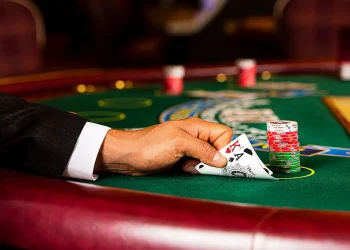
Instead, wait until a betting round ends, and place your paper bills flat on the green felt surface of the table, preferably directly in front of your seating position. The dealer will take the cash, spread it out clearly in front of the overhead security cameras, count it aloud, and slide the corresponding value of chips back to you.
The Absolute Rule: Keep Your Hands Off the Cards
Once the dealer begins distributing the cards, the physical boundaries of the table become incredibly rigid. The rules regarding how you interact with the cards depend entirely on the specific style of blackjack game being dealt.
-
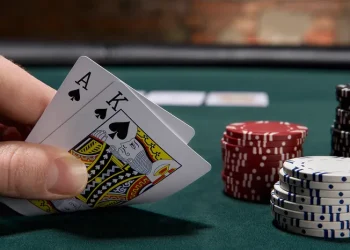
Face-Up Games (Shoe Games): In games dealt from a multi-deck plastic container known as a shoe, cards are dealt completely face-up in front of each player. In these games, you must never touch the cards under any circumstances. Touching a face-up card triggers an immediate security alert, as the house must assume you are attempting to mark or alter the cards.
-
Face-Down Games (Pitch Games): In single-deck or double-deck variations where the dealer pitches the cards face-down, players are permitted to pick up their own hand. However, you must use only one hand to hold the cards at all times. Using two hands makes it easier to clandestinely switch cards or cheat. Furthermore, the cards must always remain in full view of the dealer and the overhead cameras, meaning you can never bring them below the table edge or cover them with your body.
Master the Language of Hand Signals
One of the most common mistakes made by casual players transitioning from online blackjack to a live casino environment is relying solely on verbal commands. While saying hit or stand seems clear, live casinos require official hand gestures to validate every single playing decision.
The overhead surveillance cameras, affectionately known in the industry as the eye in the sky, record every second of gameplay. If a dispute arises regarding whether a player wanted to draw a card or keep their current total, verbal statements hold no weight. The cameras must see a definitive physical gesture to resolve the issue.
Signaling in Face-Up Games
-
To Hit: Tap the felt surface of the table firmly with one or two fingers directly behind your cards.
-
To Stand: Wave your hand horizontally over your cards, palm facing down, in a smooth side-to-side motion.
-
To Double Down or Split: Place the additional chips next to your original wager, never on top of them. Once the chips are placed, extend one finger to indicate a double down, or two fingers in a V-shape to signal a split.
Signaling in Face-Down Games
-
To Hit: Gently scrape the lower edge of your two cards against the felt surface of the table toward your body.
-
To Stand: Slide your cards face-down underneath the chips in your betting circle without disturbing the stack.
Interacting with the Chips and the Betting Circle
Your betting circle is a highly sensitive zone during a live hand. Once the first card leaves the shoe, the chips inside that circle are locked in a binding contract until the round concludes.
Never touch your chips once a hand has commenced. Inexperienced players often try to adjust their stack, add more chips, or remove a portion of the bet mid-hand when they become nervous. In the eyes of casino surveillance, this behavior looks exactly like past-posting or pinching, which are illegal methods of altering a bet after the outcome is partially known. Touch your chips only when placing a new bet before the round starts, or when collecting your winnings after the dealer pays out.
Respecting the Pace and the People
A final component of high-level blackjack etiquette involves maintaining basic social awareness and respecting the human ecosystem of the casino floor.
First, keep your strategic advice to yourself unless explicitly asked. Blackjack tables are shared public spaces, and every individual has their own risk tolerance and style of play. A common myth suggests that a bad decision by a player sitting at the end of the table, known as third base, can ruin the shoe for everyone else. While mathematically untrue over the long run, criticizing another player for hitting or standing on a specific card is incredibly poor form and ruins the collaborative spirit of the table.
Second, treat the dealer with professional courtesy. Dealers do not control the mathematical variance of the cards, nor do they profit when you lose. Blaming a dealer for a string of bad beats is childish behavior. If you enjoy your experience and the dealer is professional, it is standard practice to tip them. You can tip by sliding a chip directly to them between hands, or by placing a separate wager for the dealer on the front edge of your betting circle, allowing them to share in your good fortune if the hand wins.
Conclusion
Navigating a live blackjack table smoothly relies on understanding that the casino is an environment engineered around security and pacing. By utilizing proper hand gestures, respecting physical boundaries, keeping your hands off active cards, and treating the staff and your peers with respect, you transform yourself from an awkward outsider into a welcome guest. Good etiquette not only protects the integrity of the game, but it also creates a much more relaxed, enjoyable, and ultimately profitable environment for everyone at the table.
Frequently Asked Questions
What happens if I make a verbal statement that contradicts my physical hand signal?
In a live casino, the physical hand signal always takes legal precedence over any verbal statement. If you verbally say hit but your hand clearly waves to stand, the dealer will follow the visual cue. This rule exists because the overhead security cameras can verify visual movements but do not record clear directional audio for every seat.
Why am I not allowed to place my personal items on the blackjack table?
Items like smartphones, wallets, drinks, and purses are prohibited from being placed flat on the green felt surface. This rule serves a dual purpose: it prevents players from using electronic devices to run card-counting assistance programs, and it keeps the playing area clear of obstructions so the dealer and the surveillance cameras have an unhindered view of the cards and chips.
Can I ask the blackjack dealer for advice on how to play a difficult hand?
Yes, most casino dealers are happy to assist you if you are unsure of the optimal play. When asked, the dealer will typically explain what basic strategy dictates for that specific scenario. However, remember that the dealer is not responsible for the outcome, and they are not allowed to make the physical hand gesture for you.
What is the purpose of the plastic cut card given to a player during the shuffle?
After the dealer shuffles the multiple decks of cards, they will slide the stack toward a player and present a colored plastic cut card. The player must insert this card into the stack to verify that the deck is being cut randomly, ensuring the dealer did not manipulate the order of the cards during the physical shuffle process.
Is it acceptable to use a printed basic strategy card while sitting at a live table?
Yes, the vast majority of casinos permit players to look at a small, physical basic strategy chart while playing. You can place the card on the table rail or hold it in your hand. The only restriction is that you cannot hold up the pace of the game by spending an excessive amount of time studying the chart before every single decision.
How do I handle mid-shoe entry if a table has a sign that says No Mid-Shoe Entry?
If a table features a No Mid-Shoe Entry sign, it means new players cannot join the game or place a bet until the current multi-deck shoe is completely depleted and the dealer prepares a fresh shuffle. This rule is commonly found at high-limit tables to prevent card counters from jumping into a shoe when the mathematical count becomes highly favorable to the player.