
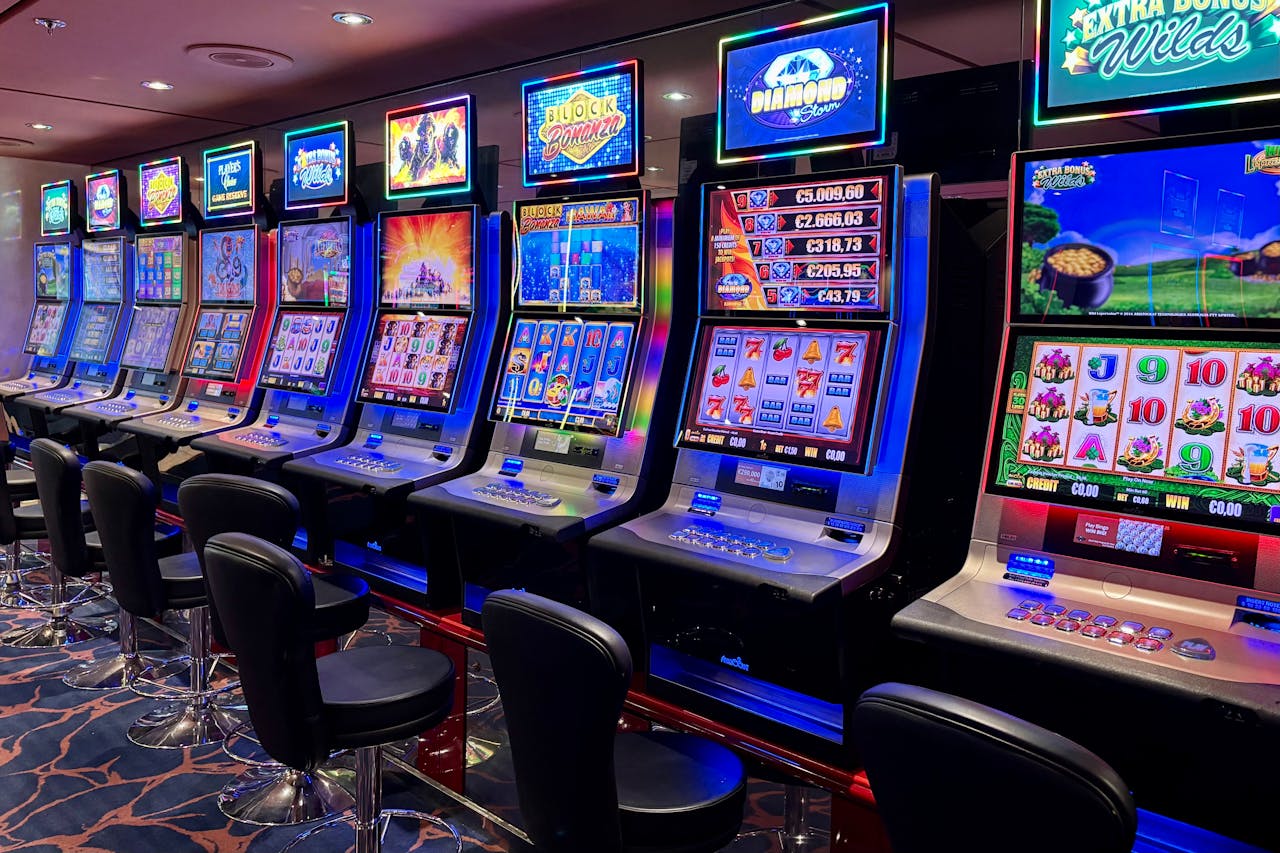
Walk onto any modern casino floor, and your senses are immediately assaulted by a symphony of electronic chimes, cascading coins, and flashing neon displays. Far from being a random collection of carnival noises and bright lights, this environment is the product of meticulous scientific engineering. Every flash, every buzz, and every animated sequence on a slot machine screen is deliberately crafted to influence human behavior.
Behind the mechanical levers and digital displays lies decades of research into behavioral psychology, neuroscience, and sensory integration. Game developers do not merely design entertainment systems; they construct behavioral reinforcement loops. By understanding how the human brain processes auditory and visual stimuli, slot designers can alter a player’s perception of time, risk, and reward, ultimately encouraging prolonged engagement with the machine.
The Multisensory Illusion of Winning
The primary objective of slot machine aesthetics is to create an immersive environment that stimulates the reward center of the brain. When a player interacts with a slot machine, the visual and auditory feedback loop works in perfect harmony to trigger the release of dopamine, the neurotransmitter associated with pleasure, motivation, and reinforcement.
The Phenomenon of Losses Disguised as Wins
One of the most powerful psychological tools used in modern slot machine design is the phenomenon known within behavioral science as a Loss Disguised as a Win, or LDW. In traditional mechanical three-reel slots, a spin resulted in either a clear win or a clear loss. If you lost, the machine went silent and nothing moved.
With the advent of digital video slots and multi-line betting architectures, the mechanics shifted fundamentally. A player can wager a total of two dollars across twenty different paylines on a single spin. If the reels stop and match a low-tier combination on one line, the machine may pay back fifty cents. Mathematically, the player has just lost one dollar and fifty cents.
However, the machine reacts as if a monumental victory has just occurred. Vibrant animations burst across the high-definition screen, digital coins pour into a virtual tray, and upbeat, celebratory music blares from the stereo speakers. The brain registers the sensory celebration rather than the net financial deficit. The psychological impact is profound; the player experiences the physiological thrill of winning, which reinforces the desire to press the spin button again, despite systematically losing money.
The Power of the Near-Miss Effect
Visual programming plays a critical role in engineering the near-miss effect. A near-miss occurs when a jackpot symbol lands directly above or below the active payline, leaving the player just one index position away from a massive payout.
Psychologists have discovered that near-misses trigger an intense surge of dopamine that closely mirrors the brain activity observed during an actual win. Game designers intentionally program virtual reel mapping to ensure that high-value symbols appear frequently just outside the winning threshold. The visual feedback sends a powerful message to the player: you were incredibly close, and success is right around the corner. This cognitive distortion transforms a routine failure into a compelling reason to continue playing.
The Auditory Blueprint: Structuring the Sounds of Chance
While visual displays capture a player’s initial attention, sound design is the invisible force that sustains engagement over hours. Sound possesses a unique ability to bypass conscious analytical thought, speaking directly to the emotional centers of the human brain.
The Shift from C-Major to Orchestral Soundscapes
Historically, early electro-mechanical slot machines relied on physical bells and basic electronic tones. These sounds were almost universally tuned to the key of C-Major. In western musical traditions, the major scale is inherently associated with happiness, resolution, and triumph. Hearing a continuous stream of major chords conditions the brain to associate the casino space with joy and security.
Modern game studios have elevated this concept by hiring professional Hollywood sound designers and orchestral composers. Modern slots feature cinematic soundtracks that dynamically adapt to the state of play. The music builds in tempo and complexity during a bonus round, creating a palpable sense of narrative tension and cinematic adventure. This continuous auditory feedback isolates the player from the outside world, inducing a psychological state known as the slot machine zone, where external worries and the passage of time completely fade away.
Ergonomic Sound Mixing and Constant Reinforcement
The volume, frequency, and spatial orientation of slot machine audio are mixed with extreme care. The sound levels are engineered to be loud enough to capture the player’s focus and project a bubble of privacy around their chair, yet not so abrasive as to cause physical fatigue over long periods.
Furthermore, machines are programmed to provide acoustic reinforcement for every micro-action. Selecting a bet size, changing paylines, and initiating a spin each have distinct, satisfying auditory confirmations. These micro-sounds give the player a powerful sense of agency and physical control over a game that is governed entirely by random statistical algorithms.
Visual Ergonomics: Colors, Textures, and Digital Geometry
The visual language of a slot machine cabinet is designed to be highly readable, comforting, and intensely stimulating. Every graphic choice serves a distinct operational purpose.
-
High-Contrast Warm Palettes: Casino floors heavily feature deep reds, vibrant golds, and intense neon purples. Red naturally accelerates the human heart rate and increases physiological arousal, while gold triggers deep-seated associations with wealth, luxury, and material success.
-
Friendly, Rounded Characters: Modern thematic slots frequently employ cartoonish, highly expressive characters with large eyes and rounded physical features. These aesthetics lower defensive psychological barriers, making the game feel accessible, non-threatening, and safe.
-
Flashing Lights and Velocity Realism: The neon lighting systems bordering modern cabinets utilize variable flashing frequencies. Slow, pulsing rhythms are deployed during passive states to soothe the player, while high-velocity, strobe-like sequences fire during bonus triggers to mimic an adrenaline rush.
The Architecture of the Screen: Keeping the Eye Engaged
Modern video slot interfaces are structural masterpieces of visual real estate management. The screen is divided into clear zones that manage cognitive load while maximizing anticipation.
At the center are the digital reels, featuring smooth, high-framerate spinning animations designed to replicate the momentum and physics of physical metal reels. Surrounding the reels are peripheral displays tracking the total bankroll, current bet metrics, and the ever-escalating figures of progressive jackpots.
The progressive jackpot tickers are almost always framed in bright, contrasting colors and programmed to roll over rapidly, providing a continuous visual reminder of the life-altering wealth that could theoretically arrive on the very next spin. This constant visual exposure keeps the concept of winning at the forefront of the player’s mind, effectively overshadowing the statistical reality of the house edge.
Conclusion
The sensory environment of a modern slot machine is an incredibly sophisticated psychological tapestry. By blending advanced visual displays with adaptive, emotionally charged audio engineering, game designers create an ecosystem that perfectly exploits human cognitive vulnerabilities. Understanding the mechanics of losses disguised as wins, the intentional staging of near-misses, and the deep neurological impact of auditory pacing allows us to see these games for what they truly are: highly optimized marvels of behavioral conditioning.
Frequently Asked Questions
Why do modern slot machines use electronic sound effect loops instead of physical coin drops?
Physical coin drops occurred only when a player cashed out or won a significant payout, which created long periods of silence during routine losing streaks. Electronic sound loops allow the machine to maintain a continuous, uninterrupted wall of sound. This constant auditory stimulation prevents the player’s brain from entering a passive state, maintaining a heightened level of engagement regardless of whether they are winning or losing.
How does the speed of visual animations on the reels affect a player’s betting pace?
The rapid velocity of digital reel spins and the short duration of the accompanying win animations are engineered to minimize the time between spins. By keeping the visual loop fast and efficient, designers reduce the window of time a player has to reflect on their financial choices or decide to walk away, facilitating a faster rate of play.
What role does the use of popular media themes play in slot machine visual psychology?
Using licensed themes from popular movies, television shows, or musical bands provides instant cognitive comfort. The familiar imagery, celebrity voices, and recognizable video clips create a sense of nostalgia and trust. This pre-existing emotional bond lowers the player’s natural skepticism toward the machine and frames the gambling experience as familiar pop-culture entertainment.
Are the sounds made by winning adjacent slot machines designed to influence nearby players?
Yes, slot machine audio is engineered to travel a short distance beyond the immediate console space. When a machine triggers a bonus round, it emits distinctive, high-volume alarms and celebratory fanfares. This acoustic leakage creates a social proof environment, convincing surrounding players that the casino floor is loose and that wins are occurring frequently all around them.
How do game designers use haptic feedback in conjunction with sound and visuals?
Many contemporary slot machine chairs and control panels incorporate haptic vibration engines that synchronize with the audio-visual presentation. When a major symbol lands or a bonus round triggers, the chair vibrates gently. This tactile input adds a third physical dimension to the sensory loop, intensifying the player’s immersion and making the digital environment feel more tangible.
What is the psychological purpose of allowing players to stop the reels manually?
Many digital slots include a skill-stop feature that allows players to press a button to halt the spinning reels instantly. Visually and auditorily, this creates an illusion of control. While the random number generator has already determined the outcome of the spin the exact millisecond the button was pushed, the physical action makes the player feel as though their personal timing directly influenced the result.