
Introduction: More Than a Game of Chance
Gambling, a practice as old as civilization itself, occupies a unique space at the intersection of risk, reward, and human behavior. From ancient dice games in Mesopotamia to high-tech digital casinos of the modern era, gambling has evolved in form but remained constant in its essence—the thrill of uncertainty and the hope of gain. It captivates millions worldwide, offering entertainment, escapism, and sometimes life-changing outcomes.
However, gambling is far from a one-dimensional pursuit. It is a nuanced, complex activity deeply rooted in cultural norms, psychological tendencies, and economic frameworks. To understand gambling is to delve into what it means to take a risk—not only with money but with emotion, time, and self-control.
A Historical Glimpse: The Roots of Risk
Gambling’s history can be traced back to nearly every ancient society. The Chinese were playing rudimentary games of chance as early as 2300 B.C. The Romans bet on gladiatorial games, while the Greeks dabbled in dice and rudimentary lotteries. In India, gambling is referenced in sacred texts like the Mahabharata, where it even served as a plot device for moral and philosophical dilemmas.
Over time, gambling shifted from informal games to more organized structures. The first modern casinos appeared in 17th-century Italy, while state lotteries gained popularity in Europe and colonial America as a means to fund public projects. What started as pastime gradually matured into an economic and regulatory enterprise.
Understanding the Appeal: Why People Gamble
Despite the odds often being stacked against the player, gambling continues to attract a broad and diverse audience. Why?
1. The Thrill of Uncertainty
At its core, gambling is fueled by the unpredictable. This uncertainty activates the brain’s reward system, releasing dopamine and creating a sense of exhilaration—especially when one wins.
2. The Hope of Financial Gain
Many are drawn to gambling with dreams of hitting the jackpot, whether it’s a winning hand in poker, a lucky spin on the roulette wheel, or the right numbers in a lottery draw.
3. Social Engagement
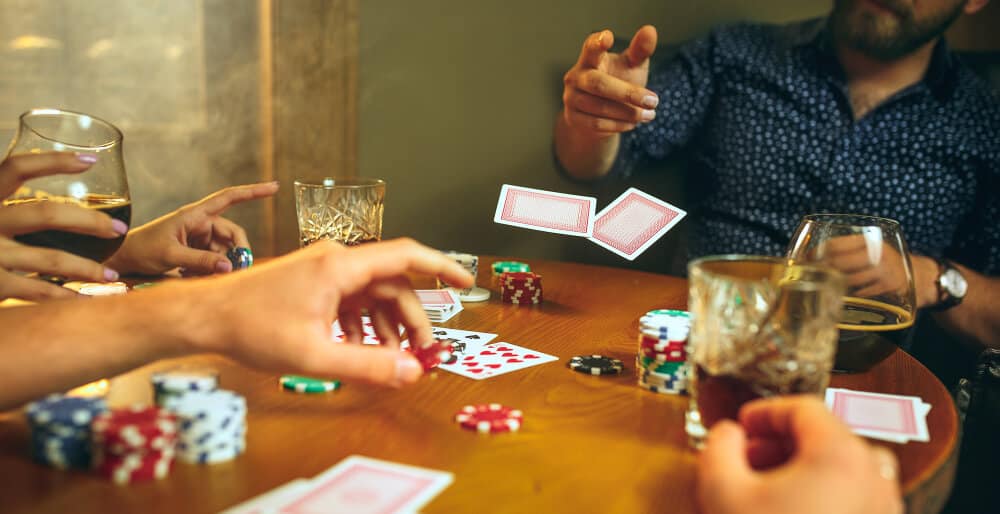
Casinos, betting parlors, and poker nights offer social environments where people share laughter, tension, and camaraderie.
4. Skill and Strategy
Games like blackjack, poker, and sports betting involve skill, giving seasoned players a sense of control and mastery over outcomes.
5. Escape and Entertainment
For some, gambling provides a temporary respite from stress, loneliness, or monotony—a form of psychological escapism.
Types of Gambling: A Multifaceted Landscape
Not all gambling is created equal. The industry comprises various forms, each with its own rules, risk levels, and psychological dynamics.
Casino Games
-
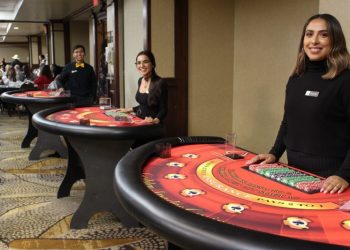
Examples: Slots, roulette, craps, blackjack
-
Characteristics: Often based more on chance than skill; designed for quick, repetitive play.
Sports Betting
-
Examples: Football, horse racing, basketball wagers
-
Characteristics: Involves strategy, statistics, and knowledge of the sport.
Poker and Card Games
-
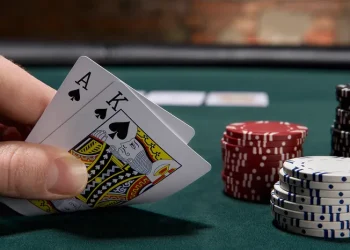
Examples: Texas Hold’em, Omaha
-
Characteristics: Strong emphasis on strategy, psychology, and probability.
Lotteries and Raffles
-
Examples: National lottery draws, scratch cards
-
Characteristics: Minimal effort, purely luck-based, typically low-cost with high-reward potential.
Online Gambling
-
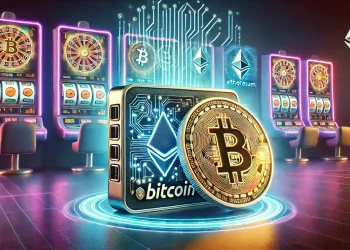
Examples: Digital slots, virtual poker rooms, live dealer games
-
Characteristics: Accessible 24/7; offers anonymity and convenience but increases risk of compulsive behavior.
The Psychology of Gambling: Inside the Mind of a Gambler
Gambling is deeply psychological. Understanding the mental processes involved sheds light on why it can be both captivating and dangerous.
Cognitive Biases at Play:
-
Gambler’s Fallacy: Believing that past losses or wins influence future outcomes.
-
Illusion of Control: Overestimating one’s influence in games of chance.
-
Near-Miss Effect: Losing by a narrow margin fuels the belief that success is imminent.
These psychological quirks, combined with the sensory stimulation of casinos or mobile apps—flashing lights, ringing bells, encouraging messages—can create a potent cocktail of excitement and irrational decision-making.
The Dark Side: Problem Gambling and Its Consequences
For many, gambling is harmless entertainment. For others, it becomes a compulsion with serious consequences.
Signs of Problem Gambling:
-
Preoccupation with betting
-
Increasing wager amounts
-
Hiding or lying about gambling activity
-
Chasing losses with more gambling
-
Financial, emotional, or relationship distress
Impacts:
-
Financial ruin: Debts, bankruptcy, theft
-
Emotional strain: Anxiety, depression, guilt
-
Relationship breakdown: Erosion of trust, family conflict
-
Occupational issues: Poor performance or job loss
Support systems such as helplines, counseling, and rehabilitation programs play a vital role in helping individuals regain control.
Responsible Gambling: Finding the Balance
Gambling does not have to be harmful. With the right mindset and boundaries, it can be a form of responsible recreation.
Tips for Responsible Gambling:
-
Set time and money limits before you start.
-
Never chase losses—accept that losing is part of the game.
-
Treat it as entertainment, not as a source of income.
-
Take breaks to maintain perspective.
-
Avoid gambling under stress, intoxication, or emotional turmoil.
Governments and casinos are increasingly integrating responsible gaming initiatives—like self-exclusion programs, betting limits, and public awareness campaigns—to safeguard players.
Gambling and Society: A Double-Edged Sword
Gambling contributes significantly to economic growth, especially in regions reliant on tourism and entertainment. It generates tax revenue, creates jobs, and fuels hospitality sectors. However, it also imposes social costs—particularly when addiction and financial hardship ripple through communities.
Policymakers must walk a fine line between encouraging regulated gaming as an economic asset and protecting vulnerable populations from its risks.